
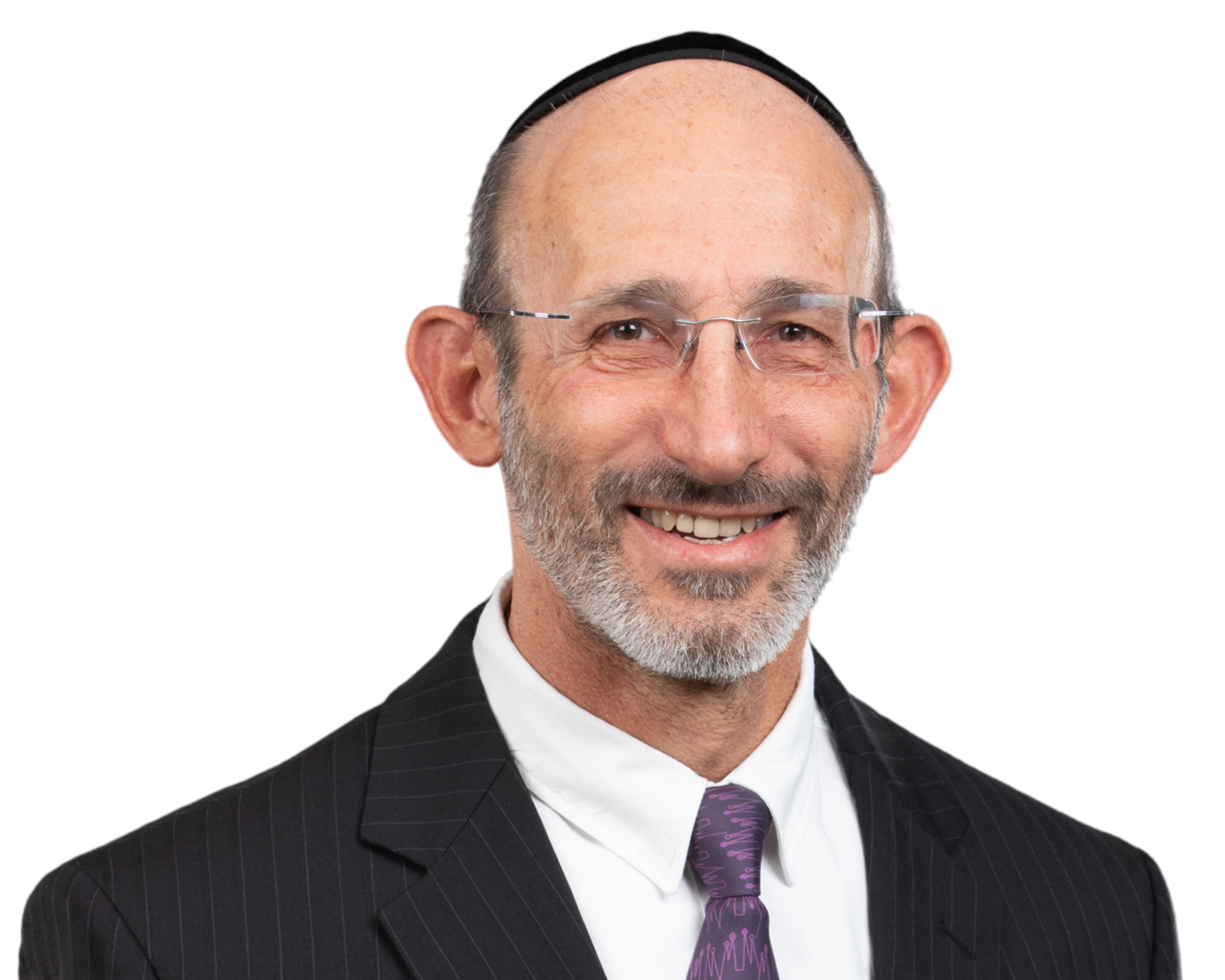
I believe I was nominated because my career at Discovery Health has focused on building the capabilities, institutions and relationships that enable a complex healthcare system to function effectively and sustainably. Due to the gravitas of Discovery Health within the healthcare system, I’ve been privileged to impact not only the organization but also the broader South African healthcare system. This impacts very deeply and personally on every person and is also of critical national import.
Over almost three decades at Discovery Health, I have had the privilege of helping build several of the organisation’s core clinical and business capabilities. These include what are now known as Discovery’s Clinical Benefit Advisory Team, Centre for Clinical Excellence and Clinical Policy Unit, structures that integrate clinical quality and commercial sustainability. These capabilities have become enduring organisational assets that continue to create value far beyond any individual leader.
A central feature of this work has been contributing to Discovery’s unique Shared Value model in healthcare. Discovery’s model is distinctive because it aligns the interests of the business, members / patients, healthcare professionals and society around a common goal: encouraging healthier behaviour, reducing risk, improving outcomes and creating long-term sustainability. This model gives practical expression to demonstrating that commercial success and social impact are not opposing objectives; when designed correctly, they reinforce one another. Combined with the Discovery Foundation and Fund, they support Discovery’s aspiration to be a powerful force for social good.
A defining leadership philosophy throughout my career has been incorporating the lived experiences of clinicians into organisational strategy, policy development and product design. Healthcare solutions are rarely effective when designed in isolation. By ensuring that the voices, challenges and insights of frontline healthcare professionals are reflected in decision-making, we are able to develop solutions that are more practical, more trusted and more sustainable. This is especially important as Discovery deepens its commitment to value-based care, where success depends on co-designing models that reward quality, outcomes and patient-centred care rather than volume alone.
Over time, my leadership evolved from building organisational capability to building ecosystem capability. Increasingly, my focus has been on strengthening the trust, relationships and collaborative networks that connect funders, clinicians, specialists, hospitals, professional societies, universities and policymakers.
I regard social capital as a strategic business asset and a form of healthcare infrastructure. In complex systems, trust often determines whether innovation can be adopted, partnerships can be sustained and change can be successfully implemented. Discovery’s Shared Value model depends on precisely this kind of trust: it requires members to engage, healthcare professionals to participate, partners to collaborate and institutions to align around a healthier society.
One comment from Adrian Gore captures this aspiration. Early on in my career at Discovery, he told me that if Discovery were ever under attack, he would want the doctors to surround the building to defend us. While said informally, the comment reflected a profound leadership objective: that the relationship between Discovery and healthcare professionals should be grounded not merely in contracts and transactions but in trust, mutual respect and shared purpose. This approach can and should be expanded to encompass healthcare funders and healthcare professionals in the industry more broadly.
Beyond Discovery Health, I have sought to strengthen healthcare capability through the Discovery Foundation, Discovery Fund, Wits University, Wits Business School and professional organisations such as the South African Medical Association and the Medical Advisors Group as well as advocacy groups such as the Africa Telehealth Collaboration.
If I am deserving of this recognition, it is because I have attempted to build not only organisational capability, but also the social capital, institutional trust and shared-value infrastructure upon which South African healthcare depends, in service of Discovery’s broader ambition to use business as a powerful force for social good.
I am a medical doctor by training, but my career has largely been devoted to leadership, strategy and institution-building within the healthcare sector. My experience spans clinical medicine, healthcare consulting, funding, education and executive leadership.
Discovery Health administers the Discovery Health Medical Scheme and 18 other “closed schemes” and, as such, is a central pillar of South Africa’s private healthcare system, covering some 3.9 million lives in the system. It plays a major role in healthcare funding, administration, clinical innovation and health-system development. It forms part of the broader Discovery Group, whose Shared Value model has become one of the most distinctive business models in South Africa and internationally.
As Chief Medical Officer of Discovery Health, my work lies at the intersection of healthcare strategy, clinical quality, organisational capability and stakeholder relationships. While my medical background remains important, my business leadership role is focused on creating the capabilities and relationships that enable a high-performing healthcare organisation to thrive.
Throughout my career I have helped shape capabilities relating to professional engagement, clinical policy, healthcare professional networks, quality improvement and value-based care. A common thread has been the belief that healthcare organisations work best when they truly understand the lived realities of the clinicians delivering care every day. Going forward, this means working even more intentionally with healthcare professionals to build value-based care models that improve outcomes, support clinical excellence and create a more sustainable healthcare system.
My leadership philosophy combines capability-building with relationship-building. Financial capital and technological capital are essential to any organisation. However, social capital is equally important. In healthcare, trust between stakeholders frequently determines whether innovation can flourish, partnerships can endure and complex problems can be solved.
Increasingly, I view my role not only as helping Discovery Health succeed, but also as helping strengthen the broader healthcare ecosystem upon which our success depends. The Shared Value model gives practical expression to this philosophy because it aligns business performance with healthier people, stronger healthcare relationships and a more resilient society. It also anchors a broader leadership responsibility: ensuring that Discovery’s capability, scale and innovation are applied in ways that make the organisation a powerful force for social good.
My vision is to help build a South African healthcare system in which excellence, innovation and access are mutually reinforcing rather than competing priorities.
I believe South Africa’s healthcare system is one of the country’s most important strategic assets. Strong healthcare institutions, professional capability and stakeholder trust contribute not only to healthcare outcomes but also to economic productivity, national resilience and social stability.
My aspiration is to help strengthen the institutions that produce healthcare excellence, preserve the skills and expertise upon which the system depends, and deepen collaboration across the healthcare ecosystem.
Discovery’s Shared Value model offers an important lesson for the future of South Africa: sustainable progress is possible when incentives are aligned across individuals, businesses and society. In healthcare, this means encouraging prevention, early intervention, better chronic disease management, responsible funding and trusted collaboration between public and private stakeholders. It also means embracing value-based care in partnership with healthcare professionals, so that the system increasingly rewards better patient outcomes, better patient experience and more appropriate use of resources. This is how business can move beyond traditional corporate citizenship and become a powerful force for social good.
Innovation will play an increasingly important role. Advances in artificial intelligence, data science, precision medicine and personalised prevention have enormous potential to improve outcomes and efficiency. Discovery’s evolution towards hyper-personalised engagement, personal health pathways and behaviourally informed incentives illustrates how technology can strengthen shared value by helping individuals take the next best health action for their own wellbeing. Discovery is a global thought and action leader in this field.
At the same time, technology alone is insufficient. Sustainable progress requires trusted institutions, trusted relationships and shared purpose.
Ultimately, my vision is one of stewardship. Leadership is not simply about improving short-term performance. It is about leaving institutions stronger, trust deeper and systems more resilient than we found them.
I hope others might be inspired by the belief that sustainable leadership is fundamentally about building capability that continues creating value long after any individual leader has moved on.
In recent years I have continued supporting initiatives that strengthen engagement and trust between Discovery and healthcare professionals through structured listening and collaboration. These platforms ensure that clinicians have a meaningful voice in shaping the future of healthcare. These sessions have been embraced by the industry more broadly.
I have also continued to support the practical application of Discovery’s Shared Value model in healthcare: aligning clinical quality, affordability, member engagement, healthcare professional relationships and long-term sustainability. This includes supporting the evolution towards value-based care in collaboration with healthcare professionals, where funding and care models increasingly recognise quality outcomes and appropriateness of care. This model shows that healthcare innovation can be both commercially disciplined and socially meaningful.
I have also encouraged responsible embracing of artificial intelligence. In the context of Shared Value, AI and data science are especially powerful when they are used to personalise prevention, improve engagement and help members make healthier choices.
Beyond Discovery, I have continued contributing to healthcare leadership development through teaching, mentorship, and professional and academic engagement.
Most importantly, I have tried to demonstrate that business performance, innovation, professional trust and social impact are not competing priorities. They reinforce each other. That is the essence of Shared Value and, I believe, one of the most important leadership lessons for South Africa: business is most powerful when it creates sustainable value while also serving as a force for social good.
Recreational activities
Exercise / keeping fit, Jewish Studies Learning Groups, Family recreational time / activities.